
 0
 0
“Natural” on a supplement label means the product contains ingredients derived from plants, minerals, or animals rather than synthesized in a lab. But here’s the truth bomb you need: this claim isn’t tightly regulated by the FDA, which means brands have a lot of wiggle room in how they use it. That $45 bottle of “all-natural” vitamins on your shelf? It might contain synthetic fillers, artificial colors, or processed ingredients that don’t exactly scream “straight from nature.”
If you’re standing in the supplement aisle feeling completely overwhelmed by the marketing speak, you’re not alone. The wellness industry loves throwing around terms like “natural,” “organic,” and “plant-based” without much consistency, and it’s honestly frustrating when you’re trying to make smart choices for your body. The gap between what sounds healthy and what’s actually in the bottle can be pretty massive.
This guide breaks down exactly what natural claims really mean, how supplement companies use (and sometimes abuse) this terminology, and what red flags to watch for when you’re shopping. You’ll learn the difference between truly natural supplements and products that just borrowed the buzzword for their packaging. By the end, you’ll have the knowledge to decode those labels like a pro and invest your wellness budget in supplements that actually deliver on their promises.
What ‘Natural’ Actually Means on Supplement Labels
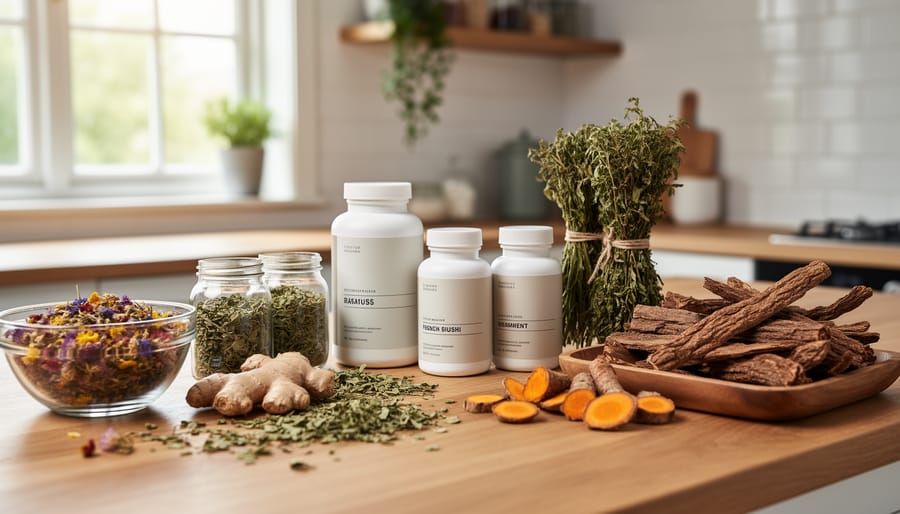
Here’s the truth that might surprise you: “natural” on a supplement label doesn’t mean what you think it means. Unlike terms like “organic” (which has strict USDA certification requirements), “natural” operates in a regulatory gray zone. The FDA hasn’t established an official definition for natural in dietary supplements, which means brands have surprising freedom in how they use this buzzword on their packaging.
So what are companies actually claiming when they slap “natural” on their bottles? Most brands use it to suggest their ingredients come from plant, animal, or mineral sources rather than being created in a lab. But here’s where it gets tricky, an ingredient can start as something natural, undergo heavy chemical processing, and still wear that natural badge. The transformation from botanical to bottle matters way more than the marketing implies.
- Natural
- Ingredients derived from plants, animals, or minerals rather than synthesized in a laboratory, though no legal standard exists for supplements.
- Organic
- Certified by USDA to meet specific farming and processing standards, including no synthetic pesticides or GMOs, a legally protected term unlike “natural.”
- Synthetic
- Ingredients created through chemical synthesis in a laboratory, designed to mimic naturally occurring compounds.
- Derived from Natural Sources
- Ingredients that originated from nature but have been chemically modified or processed, existing somewhere between natural and synthetic.
This distinction matters for your wellness routine because you deserve to know what you’re actually putting in your body. When you’re investing in natural supplements to support your fitness goals and overall health, understanding these label claims helps you align your purchases with your values. A supplement can be effective without being natural, and natural doesn’t automatically mean better or safer, but knowing the difference empowers you to make choices that feel right for your body and lifestyle.
How Natural Supplement Labeling Works
Here’s the truth that’ll surprise you: in the U.S., supplement companies have way more freedom with the word “natural” than you’d think. The FDA doesn’t officially define “natural” for dietary supplements the way it does for food labels, which means brands can slap that claim on bottles with minimal oversight. Unlike medications that need pre-market approval, supplements fall under the Dietary Supplement Health and Education Act of 1994, a framework that puts most of the regulatory responsibility on manufacturers themselves to ensure their products are safe and truthfully labeled before they hit shelves.
What companies can claim gets pretty broad. They’re allowed to say ingredients are natural if they come from plant, animal, or mineral sources without synthetic processing. But here’s where it gets tricky: they can also use “naturally derived,” which means an ingredient started natural but underwent chemical extraction or modification. Think of it like this, vitamin E extracted from sunflower oil using hexane solvent is technically naturally derived, even though hexane is a petroleum-based chemical. The supplement might still carry a “natural” banner on the front, but the back label tells a different story.
What companies cannot do is make false or misleading claims, though enforcement tends to be reactive rather than proactive. They can’t claim their supplement prevents or cures diseases, and they must include a disclaimer that their statements haven’t been evaluated by the FDA. But vague wellness claims like “supports immune health” paired with “natural ingredients”? Totally fair game, even if those natural ingredients were synthesized in a lab from natural precursors.
The sourcing and processing piece matters more than the natural label itself. A truly natural supplement uses whole-food ingredients with minimal processing, dried herbs ground into powder, cold-pressed oils, fermented nutrients. These retain their original chemical structure and often include cofactors that help your body recognize and absorb them. Naturally-derived supplements, on the other hand, isolate specific compounds through extraction, often stripping away those beneficial cofactors. Both can align with dietary guidelines for nutrient intake, but they work differently in your body and deserve different spots in your wellness routine.
Different Types of ‘Natural’ You’ll See on Labels

Walk into any supplement aisle and you’ll see “natural” plastered everywhere, but the word shifts meaning depending on what comes before or after it. Here’s your decoder guide to the most common natural claims you’ll encounter, because once you know what brands actually mean, you can shop with serious confidence.
The Natural Claims You’ll Actually See:
- 100% NaturalSuggests all ingredients come from plant, animal, or mineral sources without synthetic additions, though there’s no legal standard enforcing this
- Naturally DerivedMeans ingredients started from natural sources but underwent chemical processing or modification
- Natural FlavorsFlavoring compounds extracted from real foods but often chemically isolated and concentrated
- Plant-BasedIndicates ingredients come from plants rather than animals or labs, but doesn’t address processing methods
- Whole Food-BasedClaims supplements use minimally processed food sources like powdered fruits or vegetables
- Naturally SourcedVague term suggesting natural origins without guaranteeing the final ingredient remains unprocessed
Let’s break down what really matters. When a brand says “100% natural,” they’re telling you nothing was synthetically created in a lab, but that doesn’t mean zero processing happened. Your vitamin C might come from acerola cherries (truly natural) yet still get extracted, concentrated, and spray-dried before landing in that capsule.
“Naturally derived” is where things get fuzzy. That magnesium stearate? Technically derived from plant oils, but it’s been chemically modified so extensively it barely resembles its source. Same goes for most “natural flavors”, yes, they originated from real strawberries or vanilla beans, but the flavor compounds get isolated through processes that strip away everything except the taste molecules.
Plant-based claims appeal to wellness enthusiasts who prefer botanical sources, and they’re usually straightforward. If your protein powder says plant-based, expect pea, hemp, or brown rice protein instead of whey. But here’s the catch: plant-based doesn’t automatically mean minimal processing. That pea protein still got extracted, filtered, and concentrated.
Whole food-based supplements are the closest to eating actual food. These products use powdered berries, greens, or are dried fruits ground into supplement form with minimal extraction. They’re bulkier and less concentrated, but you’re genuinely getting nutrients in their food matrix rather than isolated compounds.
The real skill? Learning to read past the front-of-label marketing and check the ingredient list, where you’ll see exactly what’s inside, natural-sounding name or not.
When (and How) to Choose Natural Supplements
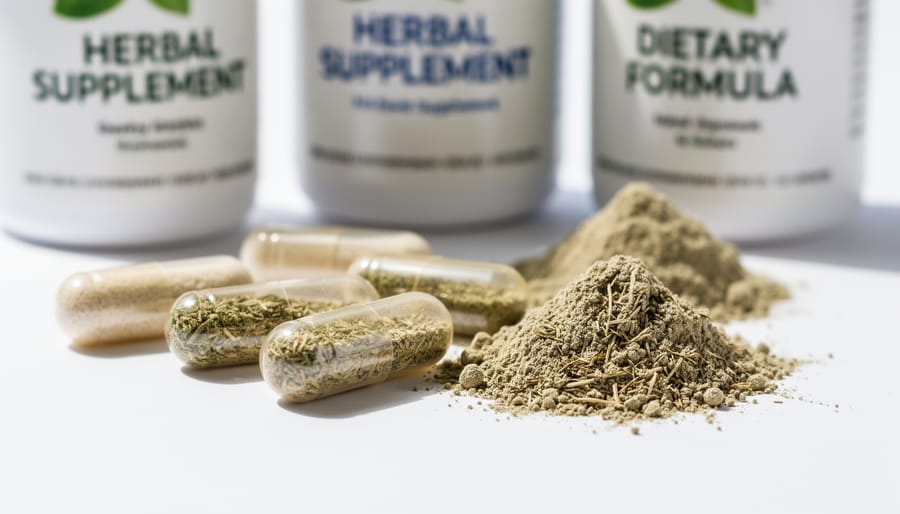
Natural supplements aren’t automatically the best choice for everyone, but they can be a great fit when they align with your specific wellness goals and lifestyle. If you’re focused on clean eating and want your supplement routine to match that philosophy, natural options make sense. They’re also worth considering if you have sensitivities to artificial additives or if you’re building a wellness routine that prioritizes whole-food sources.
Here’s how to shop smart. First, flip that bottle around and read the actual ingredient list, not just the front-of-package claims. Look for recognizable ingredients you could theoretically find in nature, things like turmeric root extract, spirulina, or vitamin D3 from lichen. A whey label review can show you exactly what to scan for in terms of additives versus pure ingredients.
Check for third-party certifications that actually verify claims: USDA Organic, Non-GMO Project Verified, NSF Certified for Sport, or USP Verified. These badges mean independent testing happened, which matters more than a brand’s own “natural” promise.
Consider your life stage and specific needs. What works for your pre-workout ritual might differ from what supports recovery or everyday wellness. The connection between supplements and aging shows how your nutritional needs shift over time, so natural isn’t a one-size-fits-all solution.
Don’t ignore the formulation details. Even natural supplements need proper dosing and bioavailability to actually work. A supplement with fewer, high-quality natural ingredients often beats one with a long list of trendy botanicals at ineffective doses.
Incorporate them strategically. Start with one supplement at a time so you can gauge how your body responds. Take them consistently, natural doesn’t mean instant results. Most plant-based or whole-food supplements need weeks to show benefits, so give them time before deciding they’re not working. Pair them with actual food for better absorption, and remember that no supplement, natural or otherwise, replaces a solid diet and movement routine.
Your Biggest Questions About Natural Supplements, Answered
You’ve probably got some burning questions about natural supplements, let’s clear up the confusion with straight answers that’ll help you shop smarter.
Are natural supplements automatically safer than synthetic ones?
Not necessarily. Natural doesn’t equal safe, plenty of natural substances can be toxic or interact badly with medications. Safety depends on dosage, quality control, and how your body responds, regardless of whether something came from a plant or a lab.
Do natural supplements work better than synthetic versions?
It depends on the specific nutrient. Some vitamins (like vitamin E) are better absorbed in their natural forms, while others (like folic acid) are actually more bioavailable in synthetic form. What matters most is choosing the right form for your body’s needs.
How can I verify if a supplement is actually natural?
Check for third-party certifications like USDA Organic, Non-GMO Project Verified, or NSF Certified for Sport. Read the ingredient list carefully, truly natural products will list whole food sources rather than chemical names, and reputable brands provide transparency about sourcing and processing methods.
What certifications should I look for on natural supplements?
USDA Organic is your gold standard for natural sourcing. NSF International and USP verification confirm quality and purity testing. For specific concerns, look for Non-GMO Project Verified, Certified Vegan, or Fair Trade Certified, these show a brand’s commitment beyond just slapping “natural” on the label.
The bottom line? Natural can be great, but it’s not a magic word that guarantees results. Your best move is combining label literacy with research into brands that back up their claims with transparent sourcing and testing. Trust your gut, read those labels like you’re stalking your ex’s Instagram, and remember that the most effective supplement is one that’s high-quality and right for your specific wellness goals, whether it came from a petri dish or a plant.
Now you’ve got the inside scoop on what “natural” really means, and doesn’t mean, on supplement labels. Armed with this knowledge, you’re ready to shop smarter and choose products that actually align with your wellness goals.
Remember, natural isn’t automatically better or worse than synthetic. What matters most is understanding what you’re putting in your body and why. A naturally-derived ingredient can be heavily processed, while a lab-created vitamin might be identical to what’s found in food. The key is reading beyond the marketing buzzwords and looking at the full label.
Trust your research. Ask questions. Look for third-party certifications when you want extra reassurance. And most importantly, choose supplements based on quality, transparency, and how well they fit into your unique wellness routine, not just because a label screams “natural” in big green letters.
You’ve got this. Your body, your rules, your informed choices. Go forth and supplement with confidence.





Average Rating